 LOG IN
 CONTACT US
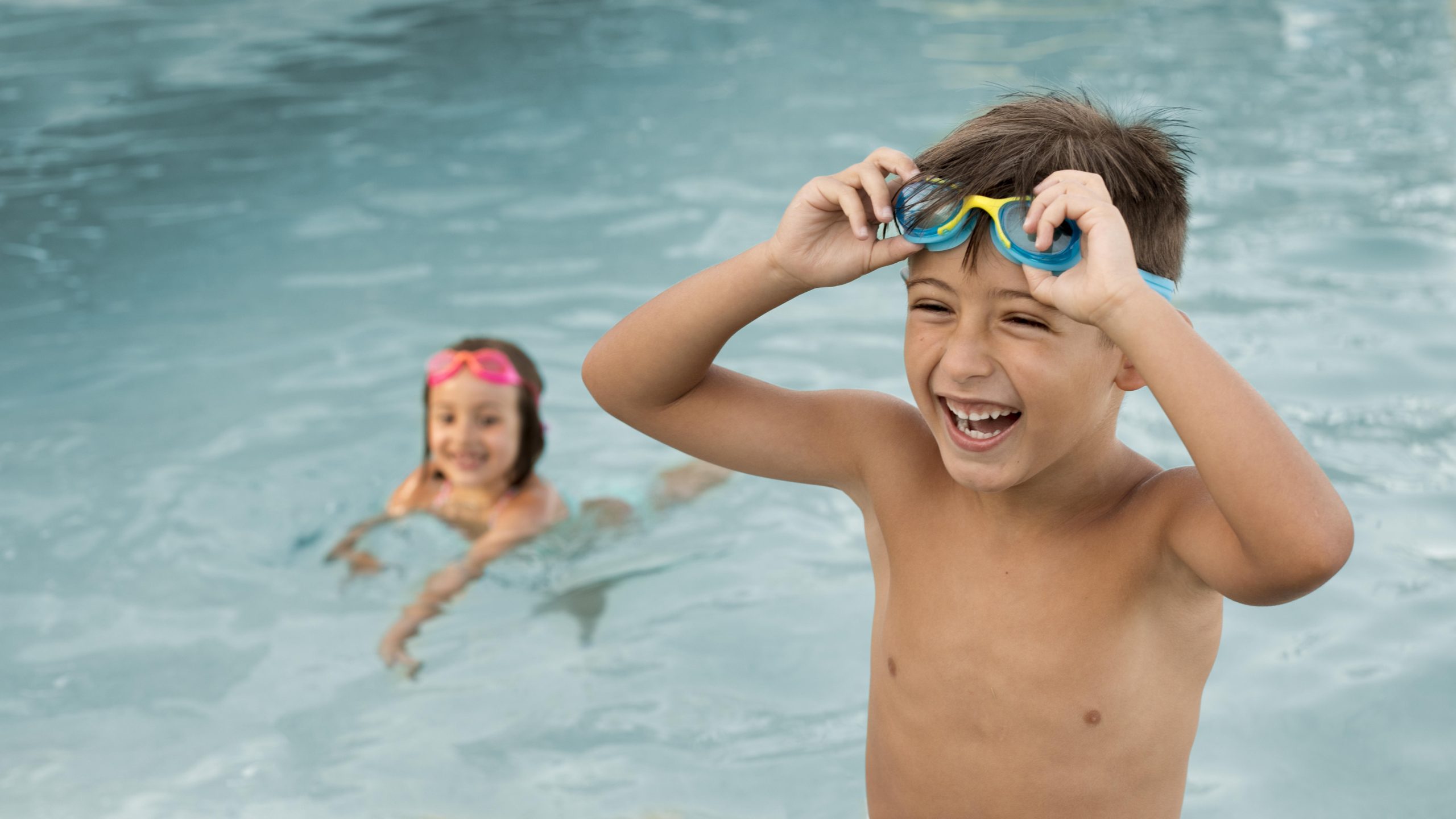
Swimming isn’t just fun — it’s an essential life skill. Every child should feel safe, confident, and happy in the water, whether on holiday, at the beach, or by the pool. Learning to swim gives them independence and awareness that lasts a lifetime.
Confidence Comes First
Every year, preventable accidents happen near water — but water safety begins long before an emergency ever occurs. It starts with confidence.
When children feel at ease in the water, they’re more likely to stay calm and make good decisions if they ever find themselves in difficulty. Confidence can be nurtured from the very first experience — by allowing children to explore movement, breathing, and balance in a relaxed, supportive environment.
A confident swimmer is a safe swimmer. Children who trust the water and their own ability to stay afloat react with control rather than fear — the most important foundation of safety.
Floating: The First Layer of Safety
A child who learns to float learns to stay calm, think clearly, and give themselves precious time should they ever need it. Floating teaches balance, stillness, and awareness — the essential life skills that underpin every swimming movement to come.
Our approach focuses on natural movement and water connection, without the use of floats or armbands. By learning without aids, children develop a genuine understanding of how their body interacts with water — a vital part of true water safety. They learn to rely on their own buoyancy and instinctive control, discovering that the water supports them when they relax and trust it.
Technique That Keeps You Safe
Good technique isn’t just about swimming faster — it’s about swimming smarter. When a child learns to move efficiently, they conserve energy and gain better control over their body in the water.
Being streamlined helps reduce resistance, allowing them to glide smoothly and stay afloat with less effort. Learning to pull the water effectively creates forward force while maintaining balance and rhythm.
In open or moving water, these skills can make a life-saving difference. Knowing how to glide with a current, roll onto the back to rest, or use calm breathing to regain control are all practical ways technique supports safety.
The stronger and more efficient a swimmer’s movements become, the more freedom — and security — they gain in any aquatic environment.
A Lifelong Gift
Once a child learns to swim, it’s a gift they never lose. It opens doors to fun and adventure — from pool games and holidays to surfing, diving, and water sports later in life. Most importantly, it gives parents peace of mind knowing their child is safe around water.
Learning to swim is more than a milestone — it’s an investment in safety, confidence, and happiness.
Because swimming isn’t optional.
It’s a life skill every child deserves.
Build strength, confidence, and lasting water safety skills in a fun, supportive environment with small group lessons that inspire progress through teamwork and technique. Explore Squads by Swimming Nature →