 LOG IN
 CONTACT US
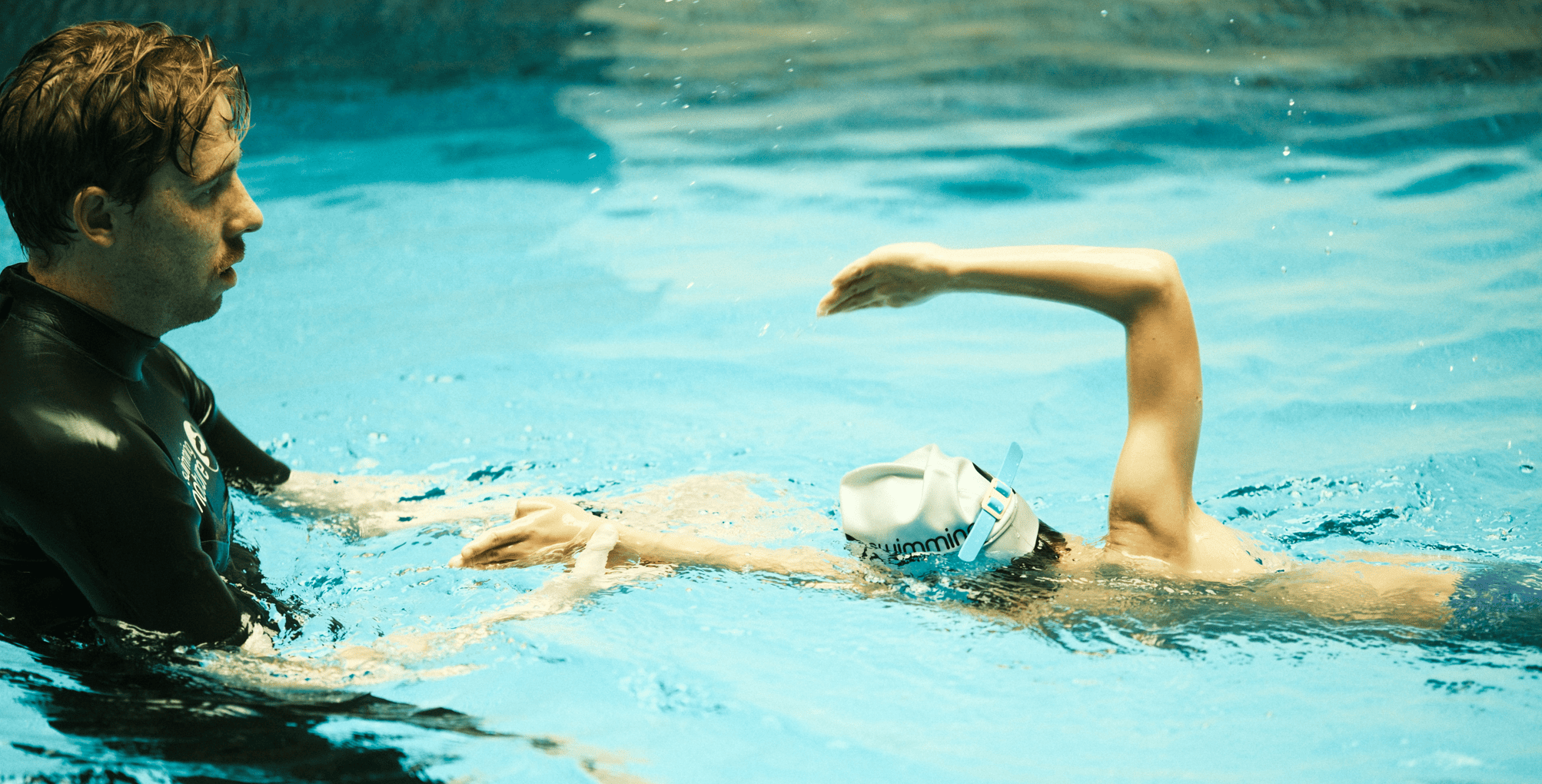
Front crawl is often the first stroke swimmers want to perfect — smooth, fast, and efficient when done correctly. But behind that effortless look in the water is a technique built on body position, breathing control, and coordinated movements. At Swimming Nature, our award-winning methodology breaks each skill down step by step, helping swimmers of all ages glide with confidence and speed.
Whether you’re learning to swim for the first time or refining your technique, here’s what truly matters in front crawl.
1. Streamlined Body Position
A beautiful front crawl begins with balance.
- Keep the body long and horizontal.
- Engage the core so the hips stay lifted.
- Look straight down — a neutral head position reduces drag.
A streamlined shape is the foundation of effortless movement through the water.
2. Efficient Arm Recovery & Catch
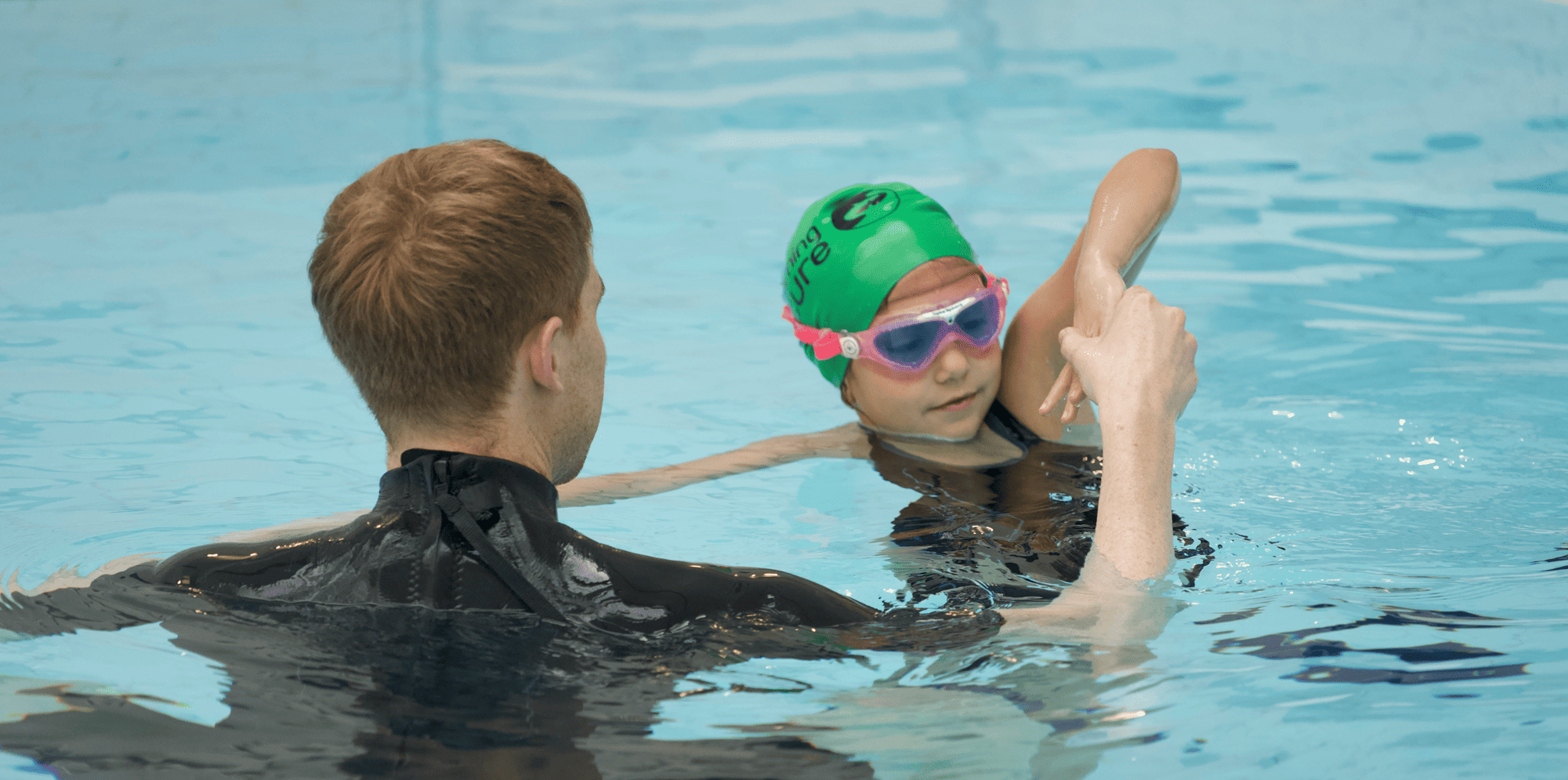
The power of front crawl comes from a smooth, continuous arm cycle.
The three key phases:
- Entry: Fingers first, just wider than the shoulder.
- Catch: Hand and forearm angle down into the water to “grip” it.
- Pull: Sweep through in a strong, controlled line towards the hip.
The movement should feel like pulling yourself past the water — not splashing through it.
3. Long, Relaxed Kicking
Front crawl kicking should be quick, light, and from the hips.
- Toes pointed, ankles loose.
- Small, continuous flutter kicks.
- Avoid bending the knees too much — the power comes from the upper leg.
A relaxed kick helps maintain balance without wasting energy.
4. Smooth, Rhythmic Breathing
Breathing is often the trickiest part for beginners.
The goal: exhale underwater and inhale to the side — without lifting the head.
Tips:
- Roll slightly with the body to breathe, rather than twisting the neck.
- Keep one eye in the water as you take your breath.
- Blow bubbles steadily to avoid a rushed inhale.
Good breathing control keeps the stroke calm and sustainable.
5. Body Rotation for Power
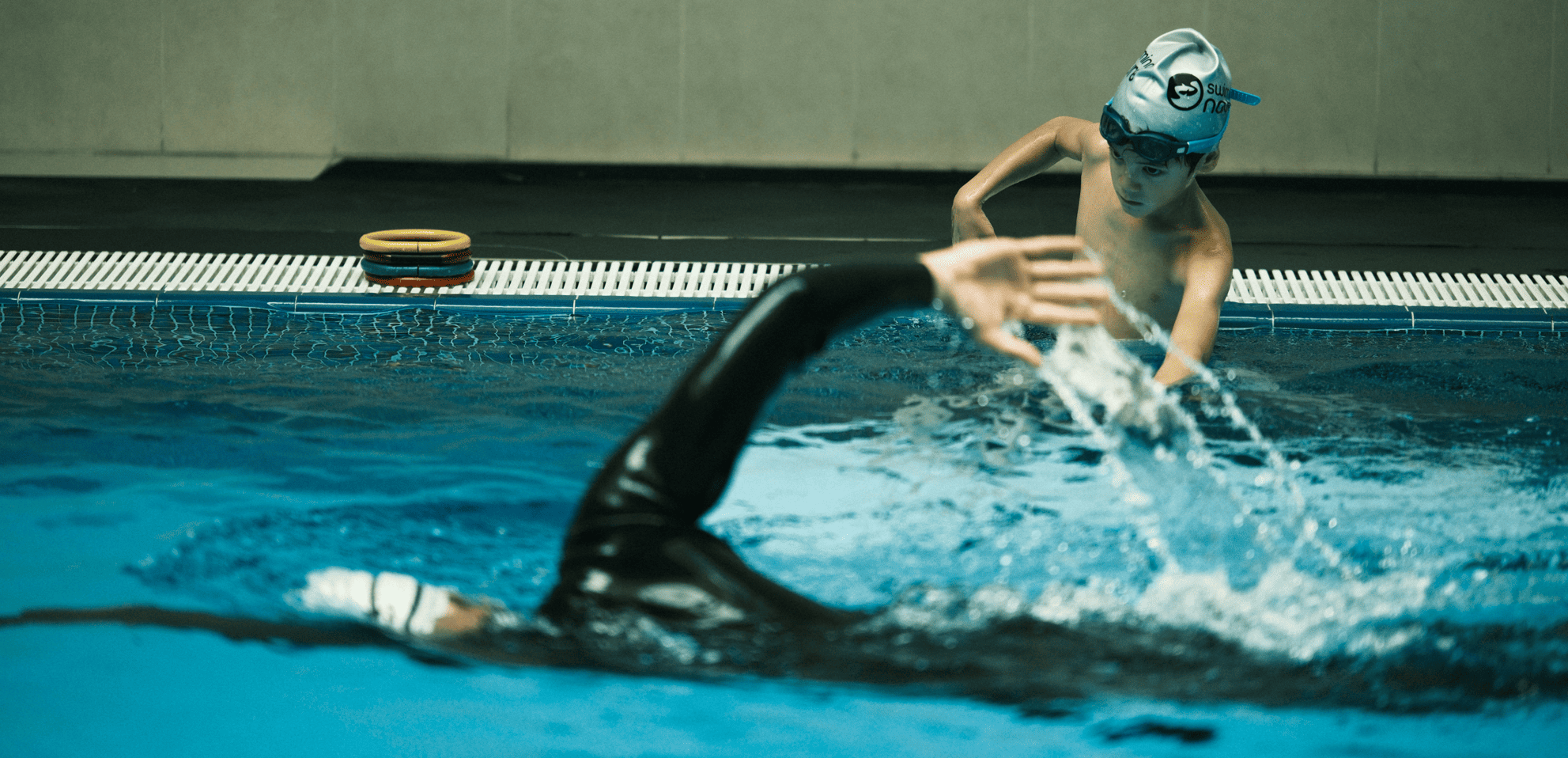
Front crawl isn’t swum flat — rotation is key.
- Rotate from the hips and core with each stroke.
- This allows a deeper catch and a more powerful pull.
- Rotation also supports easier side breathing.
Think of rolling from one side of the body to the other, like a gentle seesaw.
6. Putting It All Together
When all elements connect — streamline, catch, pull, rotation, kick, and breathing — front crawl becomes smooth, efficient, and even meditative.
At Swimming Nature, our instructors teach this stroke in a way that prioritises:
- Safety and skill
- Confidence in the water
- Beautiful, technically-correct movement that lasts a lifetime
Want to Build a Beautiful Front Crawl?
Whether for children or adults, our one-to-one and two-to-one lessons help swimmers learn faster, develop natural technique, and build lifelong confidence. Our expert instructors are always in the water, guiding every movement with calm, hands-on support.
Discover Swimming Nature Lessons → 03445 04 05 06